Remove Coffee Stains

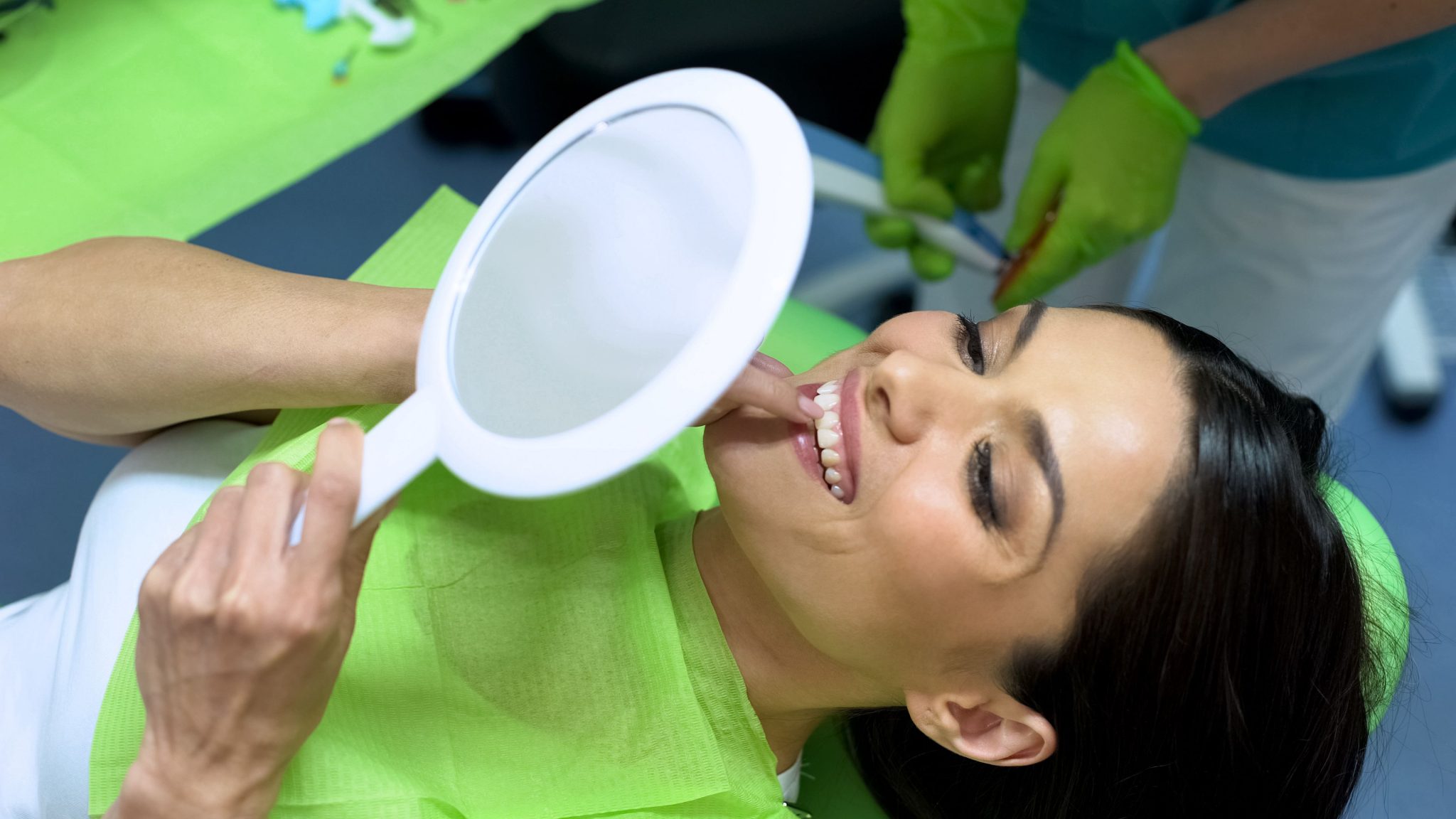
Coffee is a popular beverage, and many enjoy that cup or two in the morning each day. The downside to coffee is that it can cause staining on your teeth. There are treatments patients can do at home, or in our office to remove those annoying coffee stains. At Pierce Family Dental, we offer many cosmetic dental services, and one of our most popular is teeth whitening treatment.

If you are tired of looking at yellow or stained teeth from coffee, then Pierce Family Dental is here to help. Our team provides a detailed consultation process to evaluate your teeth and mouth, and create a customized treatment that will work for you. We will discuss all of your teeth whitening options, and give you tips and tricks on how to keep your teeth white at home.

Why Does Coffee Stain Our Teeth?

Coffee contains tannins, and this helps give coffee that deep flavor and brown color. Our teeth are filled with many little pores, and the tannins tend to stick to our teeth when we drink coffee. Plaque attracts the tannins and those can easily be cleaned away. Stains on the enamel of your teeth will need to be treated with a tooth whitening procedure.

How Can Teeth Whitening Help?

Teeth whitening procedures can be done in our office or in the comfort of your own home. Our treatments use a high-quality gel to whiten your teeth safely, and remove coffee stains. The peroxides in the gel are able to reach through the enamel and bleach the stain away. Teeth whitening can restore your smile, and give you bright white teeth in just a few treatments. Let our team help you transform your teeth and restore your confidence. To find out more about our in-office or at-home whitening services, we encourage you to schedule a cosmetic consultation.

What Can I Do at Home To Prevent Coffee Stains?

  • Drink your coffee through a straw to avoid direct contact with your teeth.
  • Use a whitening toothpaste or mouthwash.
  • Rinse your mouth out or brush your teeth after drinking coffee.
  • Avoid charcoal toothpaste as this can damage your enamel.

Interested in Whitening Your Teeth?

If you are interested in finding out more about our teeth whitening services, contact Pierce Family Dental, and our friendly staff will be happy to help you.

Tooth Sensitivity

Tooth sensitivity is a common problem, and many patients encounter pain or discomfort when they eat certain foods that are hot or cold. According to the Academy of General Dentistry, around 40 million adults suffer from sensitivity. Usually, the pain is temporary and can be treated to improve, but not cure the condition.

At Pierce Family Dental, we provide many general dentistry services including treatment for patients that suffer from sensitivity. We strive to provide quality dental care in a caring and friendly environment, where patients can relax during their treatment. We welcome new patients to our practice, and look forward to you joining our dental family.

What Causes Tooth Sensitivity?

Tooth sensitivity can happen suddenly, and to anyone. Typically, symptoms of sensitivity include a sudden sharp pain when your teeth are exposed to cold, hot, or acidic foods. Tooth sensitivity can also come after you brush or floss your teeth. Teeth whitening can cause sensitivity after treatment, so patients should consider this when they are deciding to start a whitening regimen.

Our teeth are protected by enamel, and underneath the enamel is a layer of dentin. Dentin is soft, and if the enamel on your teeth is worn down, or your gums have receded the dentin can become exposed. Dentin can be exposed from cavities or cracks in your teeth. The dentin is connected to the nerve area, and this is what can cause pain or sensitive teeth.

Other Actions That Can Cause Sensitivity

  • Brushing too vigorously
  • Gum recession from periodontal disease
  • Gingivitis
  • Teeth grinding or clenching
  • Cracked or injured teeth
  • Plaque
  • Acidic foods or drinks
  • Dental procedures such as sensitivity after a filling
  • Teeth Whitening treatments

What Treatments Are Available for Tooth Sensitivity?

Tooth sensitivity can never completely go away, but there are treatments available that can help alleviate the sensitivity you experience. If you are experiencing any sensitivity, we recommend you make an appointment for an exam in our office. We can treat sensitivity easier if we know that is what is causing you pain. Never leave pain untreated as this could lead to more serious issues in the future.

Sensitivity Treatments

  • Using a toothpaste for sensitive teeth.
  • Changing to a soft bristled tooth brush.
  • Use a mouthwash that contains fluoride.
  • Avoid acidic foods or drinks.
  • Avoid clenching or grinding your teeth.
  • Inlays or bonding can help fix a tooth and decrease sensitivity.
  • Gum grafts can help protect the root area of the tooth.
  • Fluoride gel or varnish treatment can help protect your teeth from wear and tear.
  • Root Canal therapy if needed can help with severe tooth sensitivity, but this is typically the last resort.

Taking care of your teeth and knowing when to call your dentist is important. Patients should never have prolonged pain or sensitivity to hot or cold. It is always important to take care of your oral health, and practice good habits at home. At Pierce Family Dental, your oral health is our priority, and we strive to provide our patients with quality and affordable dental services. Let our team help you take charge of your dental health.

Ready To Schedule Your Appointment?

If you are interested in finding out more about treatments for tooth sensitivity, contact Pierce Family Dental, and our friendly staff will be happy to assist you.

General Dentists

General Dentists provide services to diagnose, treat, and maintain your oral health. Our office specializes in general dentistry, and this includes preventative, corrective, and restorative treatment for patients. Our general dental care services allow us to remove any decay or disease from your teeth and gums. We preserve your natural teeth and keep you looking and feeling great.

Visiting our office regularly to maintain your oral health is important. Starting out good habits at an early age can create a good foundation for taking care of your teeth. Preventative treatment helps to keep teeth and gums healthy, and stop decay. During your exam in our office, we will evaluate your teeth and mouth, and develop a customized treatment plan that is tailored to your needs.

What Treatments Are Included in General Dentistry?

Our office has many general dental services to help keep you looking and feeling great. We provide consultations to discuss any concerns you have with your smile. Our consultation includes a detailed exam to determine what procedure is needed.

General Dentistry Services

  • Cleanings
  • Oral Exams
  • Fillings
  • Oral Cancer Screenings
  • Dental Implants
  • Extractions
  • Root Canals
  • X-rays
  • Fixed Bridges and Crowns

What Can I Expect During a General Dentistry Appointment?

Our general dentistry appointments begin with a visual exam of your teeth and mouth. If needed, x-rays are taken so we can take a closer look at the health of your teeth, gums, and jaw. We will discuss any prior health history, and review any prior x-rays if the patients had them sent over to our office.

Next, our team will perform a thorough dental cleaning. This removes plaque from the teeth and gums and polishes the teeth. We also check any existing restorations to ensure they are all stable and in great condition. This includes fillings, implant, bridges, and crowns. Our team will also do an oral cancer screening of the mouth and tongue.

If there are any areas of concern, we will discuss those details with you and create a customized treatment plan. Our staff will discuss next steps if you require further treatment. Patients may have to return to our office for another appointment depending on what is required.

Interested in Scheduling an Appointment?

Attending your regular exams twice a year in our office is an essential part to our oral health. We can help maintain your teeth and gums and keep them looking and feeling great. Exams allow our team to get in front of any potential complications or decay, and prevent serious complications. Let us help you take charge of your oral health, and call our office today!

If you are interested in scheduling your cleaning and exam with us, please contact Pierce Family Dental, and our friendly staff will be happy to assist you!

Small Cavities

If you have a cavity and are reluctant to call your dentist, you may be hoping the cavity will just heal itself. A cavity is tooth decay that causes a hole in the tooth. If cavities are not treated more serious issues can develop. At Pierce Family Dental, it is important to take care of your oral health and practice good habits at home. Attending your regular cleanings and exams in our office can identify if you have any cavities, and make sure they are addressed promptly.

How Will My Small Cavity Be Treated?

If you have a large cavity, you will most likely need a filling. If the cavity is small and is causing you no pain or discomfort, we may be able to watch the cavity by comparing x-rays to determine if the cavity is active or arrested. Small cavities that are caught early on can be stopped with good oral hygiene. Taking care of your teeth with brushing, flossing, and using fluoride can help strengthen the enamel, and stop a cavity in its tracks.

Treatments for a Cavity

  • Fillings
  • Inlays or Onlays
  • Crowns
  • Root Canals
  • Extractions

What Can I Do To Reverse Decay and Prevent Cavities?

  • Brush and floss at least twice a day using a fluoride toothpaste.
  • Increase your fluoride intake to help stop the cavity from further decay. Our office provides fluoride treatments, and fluoride can be found in toothpaste or mouthwashes.
  • Sealants can be applied to molars to prevent cavities from forming. This is a clear plastic protective coat that can help halt or reverse current decay on a tooth if the cavity is small enough and in the early stages.
  • Limit eating and drinking foods that have a high sugar content. These types of foods and drinks contribute to tooth decay. If you do consume these foods, make sure to brush right afterwards.
  • Visit our office twice a year for your regular cleaning and exam.

Interested in Scheduling an Appointment?

If you have a cavity that needs to be filled, or is causing your issues please do not hesitate to call our office. Leaving a cavity untreated can cause more serious issues if the cavity is not addressed promptly. Our flexible hours and schedule allow you to be seen right away. Your health is our priority and we welcome new patients to our office.

To schedule your dental exam or cleaning contact Pierce Family Dental, and our staff will be happy to assist you!

general dentistry

Do you notice when you smile you see gum tissue more than your teeth? This is known as a gummy smile, and many patients are bothered by how their smile looks. There are treatment options to correct a gummy smile, and we are here to help you find a treatment that works best.

What Can Cause a Gummy Smile?

  • Your Bite

Your bite can be genetic and your top jaw may not align properly with your bottom jaw. If your bite causes the upper jaw to protrude this can cause a gummy look.

  • Hyperactive Upper Lip

If your lip raises up too high gum tissue may be exposed, and this results in a gummy smile.

  • Excess Gum Tissue

The most common cause of a gummy smile is having too much gum tissue. In many cases gum tissue can over grow when permanent teeth erupt in the mouth.

What Are My Treatment Options?

Crown Lengthening

Crown Lengthening helps to reshape the gum tissue around the tooth and correct a gummy smile. This procedure exposes more of the patient’s natural tooth and make the teeth look longer.

Gum Contouring

Gum contouring can help change the shape of your gum, and this can be done if you have excess gum tissue. This procedure also helps if the gum line is uneven. Gum contouring removes the excess gum tissue and exposes more of your teeth. This helps to give patients a beautiful even looking smile.

Scaling and Root Planing

If a gummy smile is caused by inflamed gums a deep cleaning treatment may be recommended. Scaling and root planing reach down deep into the gum pockets to remove bacteria. This can help the gummy appearance subside.

Lip Lowering

This procedure involves removing a section of gum tissue to reveal a shorter looking lip. This keeps the upper lip from rising too high and exposing your gum tissue.

Orthodontics

If you have an issue with your bite orthodontics may help correct your gummy smile. Orthodontic treatment can help adjust your bite to avoid gum tissue showing when you smile.

Looking To Take the Next Step to a Beautiful Smile?

If you are looking to correct your smile we encourage you take the first step and schedule a consultation in our office. This will give our team the opportunity to evaluate your concerns, and discuss possible treatment options that work for you. We want you to be proud of your smile, and we are here to help you get the smile you have always wanted.

If you are interested in scheduling a cosmetic consultation, contact our office and we will be happy to assist you.

Cosmetic Dentistry

Taking care of your teeth and oral health is very important. Part of this includes making sure that you brush and floss on your own while also coming in for regular examinations. At some point, you may also want to have cosmetic dentistry provided by a local cosmetic dentist.

What are some examples of cosmetic dentistry?

The cosmetic dentistry procedures vary a lot from one to the next. Some of the forms of cosmetic dentistry that people will pursue at some point can include teeth whitening, additional of veneers and outlays, or cosmetic bonding. Some more significant forms of cosmetic dentistry can include the additional of dental implants.

What are the benefits of cosmetic dentistry?

There are a variety of benefits that come with cosmetic dentistry. One of the advantages of cosmetic dentistry is that it can improve your appearance and smile. When you have your teeth whitened or veneers added, it help to you to look and feel better.

While some forms of cosmetic dentistry are provided to help you to look and feel better, there are other forms that are necessary to improve your ability to chew. The addition of dental implants is something that is often done by someone that specializes in cosmetic dentistry. When you have dental implants installed, they will act as permanent replacement teeth. These implants are made of a very durable titanium alloy, which will allow the implants to last for 25 years or longer.

Who is a good candidate for cosmetic dentistry?

Most people are good candidates for some form of cosmetic dentistry. However, it is normally a good idea to have any active decay properly cared for before having one of these services provided. When you meet with a dentist, they will be able to provide a full evaluation to determine whether or not you are a good candidate to pursue one of these cosmetic services.

Looking for a Cosmetic Dentist Near You?

When you need cosmetic dentistry, you should contact our dental office as soon as you can! Our cosmetic dentist can provide a wide range of benefits and services. When you call our office, our friendly team will be able to answer any questions that you have and can also schedule an appointment so you can meet with a dentist today to discuss your cosmetic dentistry needs and options.

Teeth Whitening

Teeth Whitening treatments are popular for patients that have tooth discoloration, or for those that just want a brighter smile. Whitening your teeth can be done safely and there are several options to choose from. If the directions are followed patients can successfully whiten their teeth with no side effects. Teeth whitening boosts self-confidence, can change a patient’s smile quickly, and make you feel great.

What Are My Options for Teeth Whitening?

If you have decided to whiten your teeth there are a few options to choose from. We offer teeth whitening treatments in our office, and this typically is a faster way to get the results you desire. We also offer a treatment you can take with you and whiten in the convenience of your own home.

Both options give great results patients are happy with. In addition to those two options there are over the counter whitening treatments that can help you whiten your teeth. Part of the evaluation process is to take a good look at your teeth and the level of discoloration, your age, and dental history to help you decide what treatment options will work best.

What Are Common Side Effects With Teeth Whitening?

Teeth whitening is perfectly safe, but there are a few side effects that patients can experience.

Teeth Sensitivity

When you whiten your teeth the product gets deep into the tooth enamel. In some cases patients can experience sensitivity after teeth whitening treatments. We may recommend you use a sensitive type tooth paste to help with any sensitivity after whitening.

Irritated Gums

Gum irritation is another common issue when patients decide to whiten your teeth. In some cases patients are sensitive to the whitening treatment. This typically goes away after your treatment is complete.

Whitening treatments can be done periodically to keep teeth looking bright white. Whitening treatments are for patients with natural teeth. If you have implants, crowns, bridges, or dentures and want to whiten your teeth, we recommend scheduling a consultation to discuss your options. If you suffer from many cavities we recommend those are treated before any whitening treatment begins. Depending on each case we can help determine if teeth whitening is right for you.

How To Keep My Teeth Looking White

There are things you can do at home to help keep your teeth looking bright white. Avoiding food and beverages that may stain your teeth like coffee, tea, or red wine. If you do eat or drink something that may stain your teeth it is a good idea to rinse or brush right afterwards to help decrease staining.

Looking To Whiten Your Teeth?

Teeth whitening is a great way to give you a bright white smile. Whitening your teeth is safe and easy, and does not cause many side effects or issues. Scheduling a consultation with our team to examine your teeth and discuss your goals is a great way to start the process. Our skilled professionals will help you decide what treatment is best, and help get you on the road to a brighter smile.

If you are interested in scheduling a consultation to find out if teeth whitening is right for you, contact our office and our staff will be happy to assist you.

Cosmetic Dentistry

Dental bridges help to bridge the gap between one or more missing teeth. Bridges have one or more crowns or implants on either side of the gap and false teeth in-between them. If you have a gap caused by a missing tooth and that gap is embarrassing, a bridge may be right for you. Bridges are typically made from porcelain material, and this looks natural and blends in with your other teeth.

There are many different types of bridges available.  Depending on how many teeth are missing, and if you have natural teeth on both sides will help decide what type of bridge is recommended.

Types of Dental Bridges

Traditional Bridge

A traditional bridge is a type of bridge with two anchoring crowns on either side of the replacement tooth. This is the most popular type of bridge, and is used when the gap has natural teeth on both sides.

Cantilever Bridge

A cantilever bridge is used when there are adjacent teeth on only one side of the missing tooth. This type of bridge is not used as much anymore, and it not as common as the other options. Cantilever bridges tend to put too much pressure on other teeth and this can cause damage.

Maryland Bonded Bridge

This type of bridge has metal or porcelain wings, and these are bonded to the existing teeth. Maryland bridges are made out of porcelain or porcelain fused to metal.

Implant Supported Bridge

This type of bridge is similar to the traditional dental bridge, but is supported by a dental implant. The implant is inserted into the jaw and the bridge is attached above the gum line. This type of bridge has an advantage over the other types and helps to prevent bone loss. Implant supported bridges are the most stable compared to other bridge options. Surgery is required to insert the implant and does take longer.

What Are the Advantages With Dental Bridges?

  • A dental bridge offers an effective solution for tooth replacement. Bridges are aesthetically pleasing and help restore mouth function.
  • Helps to maintain structure in the mouth and hold teeth in place to reduce shifting and bite issues.
  • Helps to reduce bone loss and maintains facial structure.
  • Is comfortable in the mouth and feels like a natural tooth.
  • Does not require removal for cleaning. Bridges should be cleaned just like natural teeth with brushing and flossing daily.

Looking To Find Out More?

If you are interested in finding out if a bridge is right for you, scheduling a consultation in our office is the first step. Dental bridges are affordable and a reliable solution for missing teeth. Let us help you get that perfect smile!

To schedule your consultation please contact our office, and our staff will be happy to assist you.

Dental Restorations

Oral piercings are popular among young adults and adolescents. Piercings are the cool thing to have, and they give people a way to express themselves. Piercings can interfere with your speech or your ability to chew and swallow. Many people also wonder if their choice to have a piercing can lead to infection.

Can My Oral Piercing Cause an Infection?

Oral piercings are considered trauma because they involve breaking the surface of the skin or tissue in the mouth. This does involve a risk for infection because the piercing gives bacteria an area to gather. Our mouths have larger amounts of bacteria, and piercings that are on the lips have a greater risk for infection. This is because they are towards the skin surface.

Even though oral piercings pose a risk for infection, oral tissue has the ability to heal quickly. This decreases the chance for bacteria to cause an infection. In addition, piercings can increase the risk for contracting a viral infection depending on where the piercing is located. Choosing a clean and reputable facility for your piercing is important. Sterilization and good hygiene is necessary with any type of piercing.

How Can I Avoid an Infection if I Have an Oral Piercing?

The first thing to consider is your oral hygiene. In order to keep your teeth, mouth, and the piercing area clean at all times you must have proper hygiene. This also helps to keep your risk of infection lower. Keeping the area clean after meals is important. Brushing and flossing as well as using an antiseptic mouthwash can help avoid bacteria from collecting around the piercing area.

Watching for signs of infection can help you get in front of an issue. Symptoms of an infection include fever, chills, and redness or swelling around the piercing area. We encourage you to contact our office immediately if you think you may have an infection, or notice unusual swelling in your mouth or tongue.

How Do You Treat an Infection From an Oral Piercing?

An infection from an oral piercing can be treated by a dental professional. It is important to seek medical attention immediately if you suspect you may have an oral infection. Catching the infection early is important, and the infection can be easily managed. Typically antibiotics will be needed, and in some cases depending on the severity of the infection the piercing may have to be removed. This will help the infection heal quicker.

Concerned You May Have an Infection?

If you are concerned you may have an infection due to an oral piercing we encourage you to contact our office. Our staff is available to answer any questions or concerns you may have. Leaving an infection untreated can lead to more serious health issues. Treating an infection as soon as possible can help stop the infection in its tracks, and prevent the infection from getting worse.

Contact our friendly staff to schedule an appointment in our office. We are happy to assist you, and we accommodate all of our patients to ensure they can be seen right away. Let us help get you on the road to recovery.

oral health

Mouthwash is used to help rinse away bacteria or food particles after you brush and floss each day. Using mouthwash is an additional way to help protect your teeth and gums. Knowing the differences between mouthwashes can help you choose the right one to incorporate into your oral hygiene routine.

What Are The Different Types of Mouthwashes Available?

Mouthwash With Fluoride

Fluoride mouthwash contain sodium fluoride, and this helps to protect your teeth from decay and cavities. Fluoride is also found in toothpaste and is added to our tap water. Only using the required amount each day is important because too much fluoride can be harmful to your health. Reading the labels can help to ensure you are only using the appropriate amount that is recommended daily.

Antiseptic Mouthwash

Antiseptic mouthwash is the most common mouthwash used by most patients. This type of mouthwash contains alcohol and can help to stop bacteria in its tracks. Using an antiseptic mouthwash can help fight bad breath, and prevent infections. Patients must be careful using this type of mouthwash. Overuse can lead to stains or discoloration on your teeth. Following the recommended daily guidelines is important to keep your teeth and mouth healthy.

Cosmetic Mouthwash

This type of mouthwash is used to only freshen your breath. Cosmetic mouthwash does not do anything to help with your oral health. Using this type of mouthwash can help rinse food particles away, and is a temporary solution for bad breath.

Natural Mouthwash

Natural mouthwash is a common type of mouthwash that helps keep bacteria away and freshens your breath, but contains only natural ingredients. Natural mouthwash brands do not contain alcohol, and the ingredients are safer compared to other types of mouthwashes available.

During your routine cleaning it is important to discuss what products you are using at home including your mouthwash. Our team is available to access your dental health, and recommend the best mouthwash for you to use at home.

Interested in Finding Out More?

During your routine cleaning it is important to discuss what products you are using at home including your mouthwash. Our team is available to access your dental health, and recommend the best mouthwash for you to use at home.

If you are interested in finding out more about what mouthwash may be best for you, or to schedule your next exam, contact our office and our friendly staff will be happy to assist you.

Covid Pierce (1)
Skip to content