
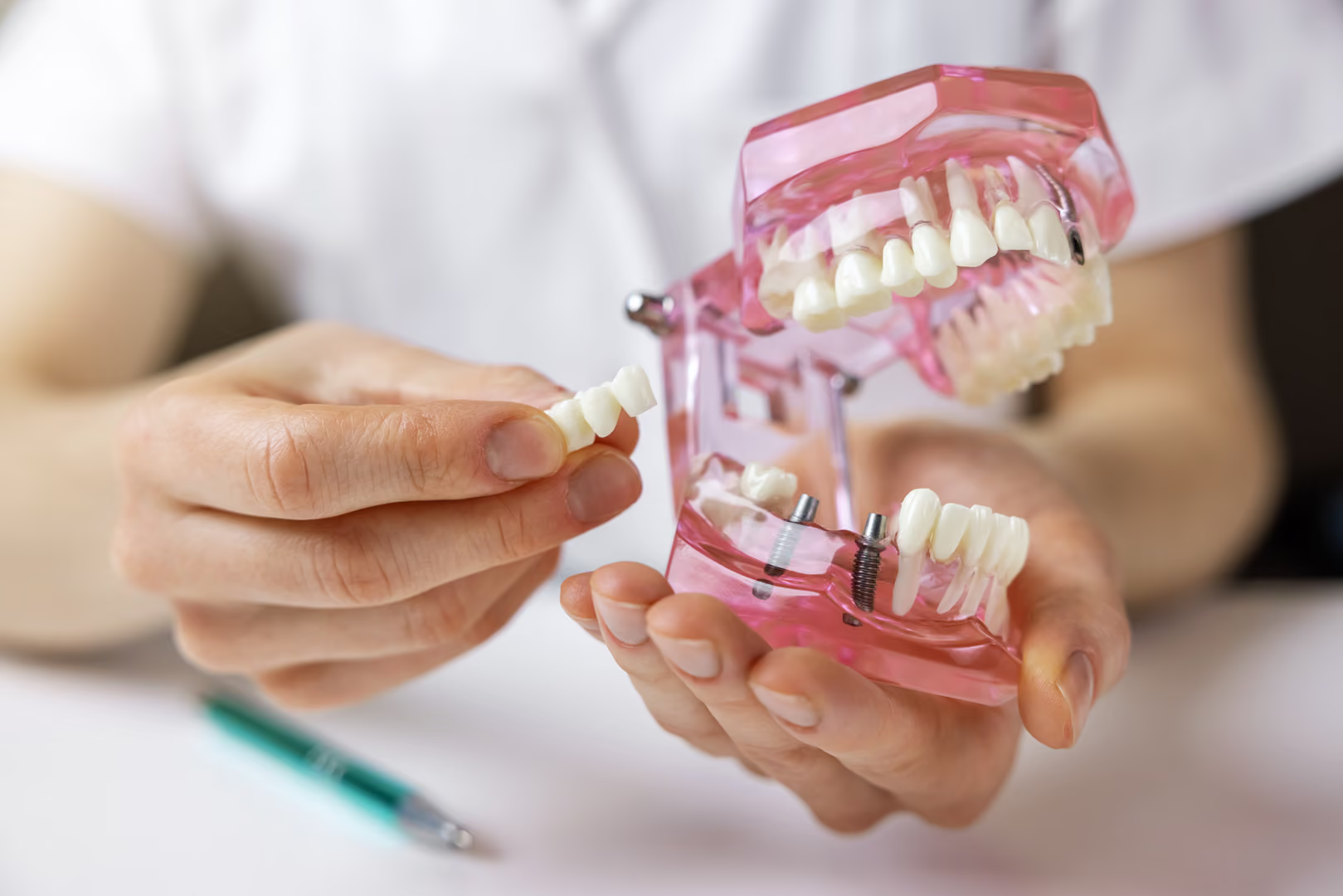
What Are Dental Bridges?
A dental bridge is a fixed restoration that "bridges" the gap left by missing teeth. A bridge typically consists of one or more artificial teeth (called pontics) that are held in place by crowns on the adjacent teeth, or in some cases, attached to dental implants. A dental bridge not only improves the appearance of your smile but also helps maintain proper alignment and prevents shifting of the surrounding teeth.
Benefits of Dental Bridges
Dental bridges offer a number of benefits for patients with missing teeth:
- Restore Function: Bridges restore your ability to chew and speak properly, improving your overall oral function.
- Prevent Teeth from Shifting: Filling the gap left by missing teeth helps prevent the surrounding teeth from moving out of alignment, which can lead to bite issues and further complications.
- Improve Your Smile: Dental bridges blend seamlessly with your natural teeth, enhancing your appearance and boosting your confidence.
- Long-Lasting Solution: With proper care, dental bridges can last for many years, providing a durable and reliable solution to missing teeth.
Types of Dental Bridges We Offer
At Pierce Family Dentistry, we offer different types of dental bridges depending on your specific needs:
1. Traditional Bridges
A traditional bridge is the most common type and consists of one or more artificial teeth anchored by dental crowns placed on the natural teeth adjacent to the gap. This is a strong, reliable option when healthy teeth are available to support the bridge.
2. Implant-Supported Bridges
If you have multiple missing teeth or if the adjacent teeth are not strong enough to support a bridge, an implant-supported bridge is an ideal solution. This type of bridge is supported by Dental Implants, providing maximum stability and durability.
3. Cantilever Bridges
For patients missing a tooth at the back of their mouth, where only one adjacent tooth is available for support, a cantilever bridge may be used. This type of bridge is anchored by a crown on just one side.
4. Maryland Bonded Bridges
A Maryland bonded bridge is a more conservative option that uses a metal or porcelain framework bonded to the back of the adjacent teeth to hold the artificial tooth in place. This option requires less preparation of the surrounding teeth.
The Dental Bridge Process
The process of getting a dental bridge at Pierce Family Dentistry is straightforward and typically requires two visits:
1. Consultation and Preparation
During your initial consultation, Dr. Brandon Pierce or Dr. Jennifer Pierce will evaluate your oral health and discuss your tooth replacement options. If a dental bridge is the best solution, we’ll prepare the surrounding teeth by reshaping them to accommodate the crowns. Dental X-Rays may be taken to ensure the best fit for your bridge. Impressions of your teeth will be made to create a custom bridge that fits comfortably and matches your natural teeth.
2. Placement of the Bridge
Once your custom bridge is ready, you’ll return for your second visit, where the bridge will be carefully placed and adjusted for a comfortable fit. We will ensure the bite is aligned properly and that you are satisfied with the appearance of your new smile.
Caring for Your Dental Bridge
Maintaining good oral hygiene is essential for the longevity of your dental bridge. Regular brushing, flossing, and professional dental cleanings will help ensure your bridge stays in excellent condition. We’ll provide you with specific care instructions and schedule regular check-ups to monitor your oral health.
Why Choose Pierce Family Dentistry for Dental Bridges?
At Pierce Family Dentistry, we are dedicated to providing personalized, high-quality dental care in a friendly, comfortable environment. Our experienced team uses advanced technology and techniques to design custom dental bridges that look natural and last for years. Whether you need a traditional bridge or an implant-supported solution, we’ll create a treatment plan tailored to your specific needs and goals.
We also offer a full range of services to support your ongoing oral health, including General Dentistry, Restorative Dentistry, and Cosmetic Dentistry.